
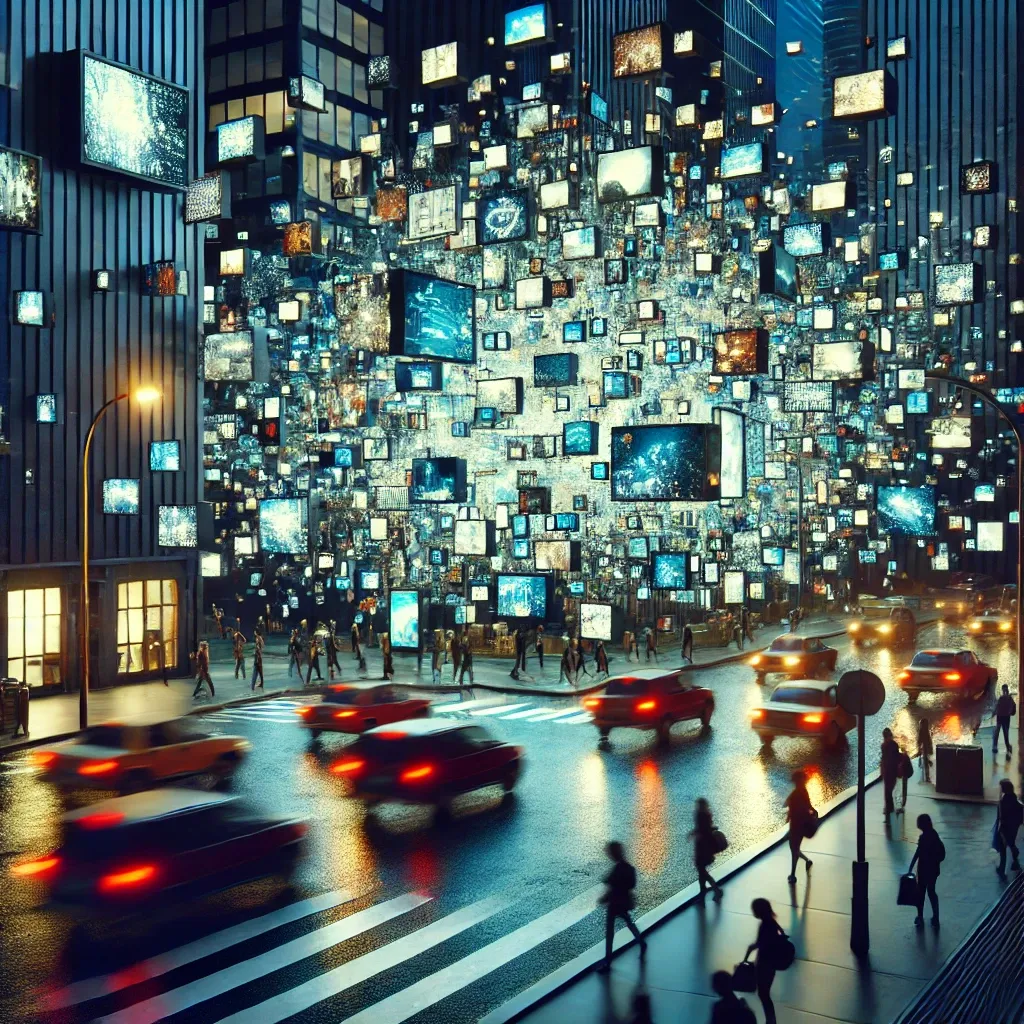
For the first time, Screens/TV matched billboards in programmatic OOH spend, each capturing 29% of total investment in H2 2024. On the surface, this signals a growing demand for video-enable and more
What is “Screens/TV” in Programmatic OOH?
According to the H2 2024 Place Exchange Programmatic OOH Trends Report, Screens/TV refers to small-to-mid-sized digital displays delivering information to a captive audience.
This category includes a broad mix of inventory types, such as:
- Retail media networks (screens in stores, malls, gas stations, and convenience stores)
- Transit displays (screens in rideshare vehicles, train stations, and bus terminals)
- Healthcare & wellness venues (screens in doctors’ offices, gyms, and pharmacies)
- Elevator & lobby screens (often found in office buildings, hotels, and apartments)
- Casinos, entertainment venues, and bars/restaurants
Key Characteristics of Screens/TV Inventory
- Video-enabled: Unlike static billboards, these screens are typically designed for video ad playback, making them attractive for brands investing in digital and video-first media strategies.
- Indoor & semi-captive environments: These screens are often placed in high-dwell-time areas, meaning audiences are more likely to engage with the content (e.g., waiting rooms, checkout lines, and public transit).
- High-volume & fragmented: Screens/TV inventory is growing rapidly—programmatic screen count increased by 25% in H2 2024—leading to both premium opportunities and challenges with quality control.
The Hidden Challenge: Quality Control in the “Long-tail” of Programmatic OOH
While premium digital signage in airports, high-end retail, and entertainment venues is valuable, much of the growth in Screens/TV comes from long-tail inventory — high-volume, low-quality placements in unvetted environments.
The Problem? Lack of Transparency & Controls for Buyers
Programmatic OOH buying platforms often don’t provide enough granularity for buyers to differentiate between a high-value, high-traffic screen in a premium venue versus a low-impact, obscure screen with minimal audience exposure. This leads to:
- Budget inefficiencies—ad dollars get wasted on screens with limited visibility or audience engagement.
- Brand safety concerns—some of this inventory is placed in unfavorable or irrelevant environments.
- Measurement challenges—buyers struggle to quantify effectiveness when data signals from these placements are inconsistent.
What Can Brands Do to Protect Themselves?
Marny Road builds data-driven scoring models to evaluate OOH assets and location beyond just availability, incorporating:
- Screen size & placement (e.g., is it a large, unavoidable screen or a small, corner-mounted display?)
- Venue foot traffic & dwell time (are people actually engaging with the screen?)
- Audience Index (has this screen historically reached the target audience)
- Cost efficiency analysis (is this screen worth the CPM compared to alternatives?)
Prioritize Private Deals & Curated Marketplaces
Programmatic OOH is still dominated by private marketplace (PMP) deals, which accounted for 95% of total spend in H2 2024. Working with trusted partners to curate high-quality PMPs ensures buyers avoid low-value placements in the long-tail.
Push for More Transparency in Buying Platforms
Platforms need to evolve to provide clearer visibility into screen-level quality and venue data—or buyers will remain handcuffed. Until then, working with experts who understand the nuances of OOH environments is key.
Final Thought: Don’t Treat All Screens Equally
As programmatic OOH continues to grow, we can’t let the longtail of Screens/TV inventory dilute the value of the medium. The challenge isn’t that these screens exist — it’s that the tools for buyers to discern good from bad inventory remain limited.
It’s up to buyers to demand smarter curation, better controls, and transparent insights to ensure they’re investing in impactful placements—not just impressions at scale.